Table of Content
Brush your teeth at least twice a day and ideally after every meal, using fluoride-containing toothpaste. To clean between your teeth, floss or use an interdental cleaner. That's why it's important to have regular dental checkups and cleanings, even when your mouth feels fine. However, if you experience a toothache or mouth pain, see your dentist as soon as possible. A knocked-out permanent tooth is a dental emergency. Knocked-out teeth can be reimplanted in many cases.
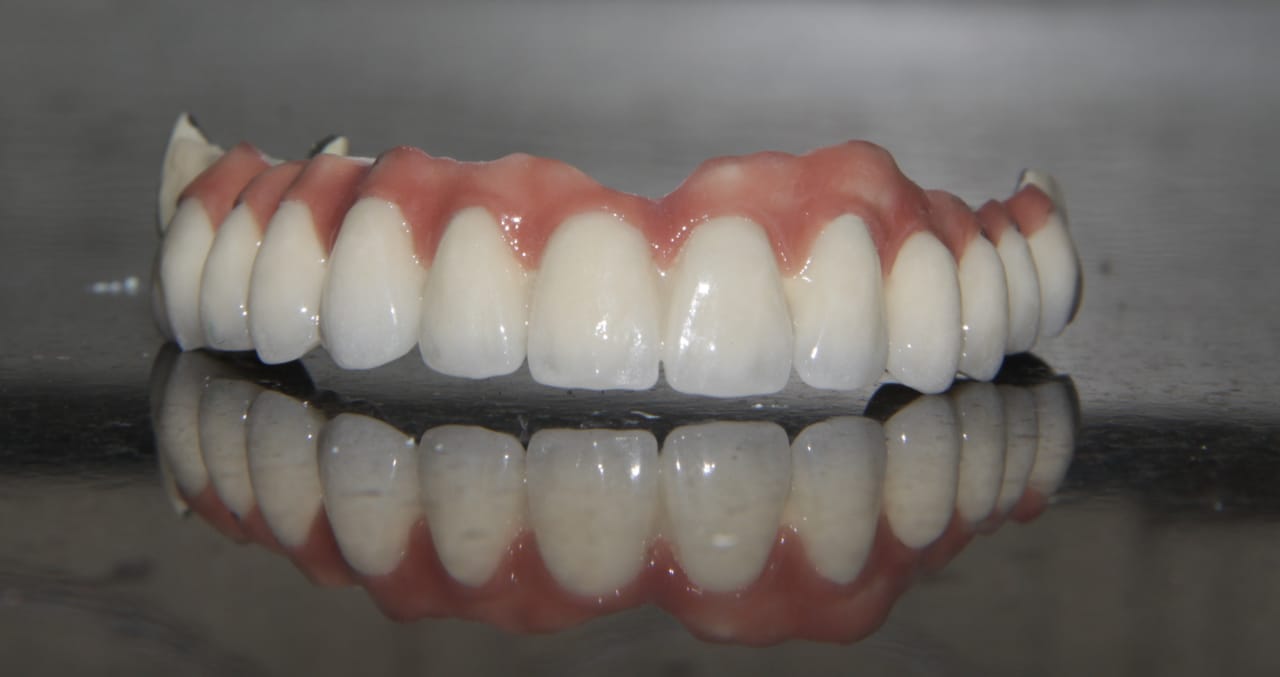
Resolved, that the ADA encourage constituent and component dental societies to establish a working relationship with the local public health and emergency management agencies. Not all dentists have the technology to make same-day crowns. Ask your dentist if this option is available and the estimated cost, especially if you don’t have dental insurance. Sealants can be applied by a dentist, dental hygienist, or other qualified dental professional, depending on state law and regulations. This can be done in dental offices or using portable dental equipment in community settings like a school. Target school-based sealant programs to areas where children are at higher risk for cavities.
Chipped crown
The local anaesthetic will make your gums, tongue, cheeks and even your lips feel numb for a while. Until this wears off, you may have difficulty talking, chewing and drinking. As sensation returns, you may feel some tingling. Depending on the choice of material, inlays and overlays have a lifespan of up to 20 years, but this depends on teeth specific factors which will be discussed by your dentist.

Tissue irritation most commonly results from an ill-fitting mouthpiece tray rather than the tooth-bleaching agent. Both of these conditions usually are temporary and disappear within 1 to 3 days of stopping or completing treatment. A badly decayed tooth might also require a root canal to remove bacteria from inside the tooth and ultimately save it. A temporary filling after a root canal can seal a hole in a tooth.
Cleaning & Janitorial Supplies
You're crunching ice or a piece of hard candy when you notice something hard in your mouth that doesn't melt or dissolve. You get a sick feeling as you realize what it is -- a piece of broken tooth. A dentist who becomes aware that a parent is supplying illegal substances to a young patient, may be subject to mandatory reporting under child abuse regulations. Dentists should consider coordination with other treating doctors, including pain specialists when prescribing opioids for management of chronic orofacial pain.

Porcelain may be ideal if you're looking for something that's practically invisible. There’s also a very small risk of an allergic reaction to materials used for the filling. Allergies to temporary filling materials are uncommon, but signs of a reaction include swelling in the mouth or a rash and itching in the surrounding area. Temporary fillings aren’t as durable as permanent fillings, so you’ll need to take care of the filling to ensure it remains in your tooth until you return to your dentist.
Dental Implants
This allows plaque to build up more easily and makes it harder to remove. Dental devices can stop fitting well, allowing decay to begin underneath them. When you steadily snack or sip sugary drinks, you give mouth bacteria more fuel to produce acids that attack your teeth and wear them down.
For any questions or concerns about your medical condition and/or deterioration of your state of health, always consult your doctor or your dentist. The diagnosis and prescription of your health practitioner are essential and should always be considered first. The information contained on Dentaly.org is not a substitute for appointments with your dentist, including regular checkups as recommended by the ADA/Oral Health Foundation. By consulting this site, you agree to always ask your dentist for advice before putting into practice any information contained on this site.
Vision Care Products
A dental veneer is a thin shell of tooth-colored porcelain or resin composite material that covers the whole front of the tooth with a thicker section to replace the broken part of the tooth. During the second visit, typically 2 to 3 weeks later, your dentist will remove the temporary crown and check the fit of the permanent one before permanently cementing it in place. Later, the dentist can cement the crown over the pin or post-retained restoration. Although the enamel that covers your teeth is the hardest, most mineralized tissue in the body, its strength has limits. Falling, receiving a blow to the face, or biting down on something hard -- particularly if a tooth already has some decay -- can cause a tooth to chip or break. If you discover you have broken or chipped a tooth, don't panic.

If you grind or clench your teeth at night, your dentist may recommend a night guard to protect your crown and surrounding teeth. Talk with your dentist about the types of crowns that are available and appropriate for your dental needs to help determine your dental costs. You may be a candidate for a crown if you’re missing a tooth, and the dentist needs to put in a dental bridge or a tooth implant.
Cavities need to be treated before undergoing any whitening procedure. This is because the whitening solutions penetrate into any existing decay and the inner areas of the tooth, which can cause sensitivity. Also, whitening procedures will not work on exposed tooth roots, because roots do not have an enamel layer. In the office setting, your dentist will apply either a gel to the gum tissue or use a rubber shield prior to treatment to protect your gums and oral cavities from the effects of the bleaching. Over-the-counter products don't provide these extra protective measures. Brush your teeth at least twice daily, floss at least once daily to remove plaque, and rinse with an antiseptic mouthwash at least once a day to kill bacteria that cause plaque.

Resolved, that adult coverage under Medicaid should not be left to the discretion of individual states but rather, should be provided consistent with all other basic health care services. Resolved, the American Dental Association recognizes that community-based topical fluoride programs are safe and efficacious in reducing dental caries. The Association encourages governmental, philanthropic and other entities to make funding available to communities seeking to initiate and/or maintain community water fluoridation. Collaborate with ADEA/dental schools to ensure dentists receive nutritional training that prepares them to discuss nutrition related issues with patients.
Reinstating eligibility for graduate and professional degree students to take advantage of federal Direct Subsidized Stafford Loans. Protecting access to federal Direct Unsubsidized Stafford Loans and Grad PLUS loans for graduate and professional degree students. Resolved, that the American Dental Association recommends that CMS require each state Medicaid agency to monitor the dental loss ratio among their contractors. Determine how lower level evidence based research, the best science that is currently available, can inform policy. Resolved, the federal declaration should preempt state liability laws and dental practice acts.



No comments:
Post a Comment